- +86 17631830155
- sales@fence.hk
- Monday - Sunday 9.00 - 18.00

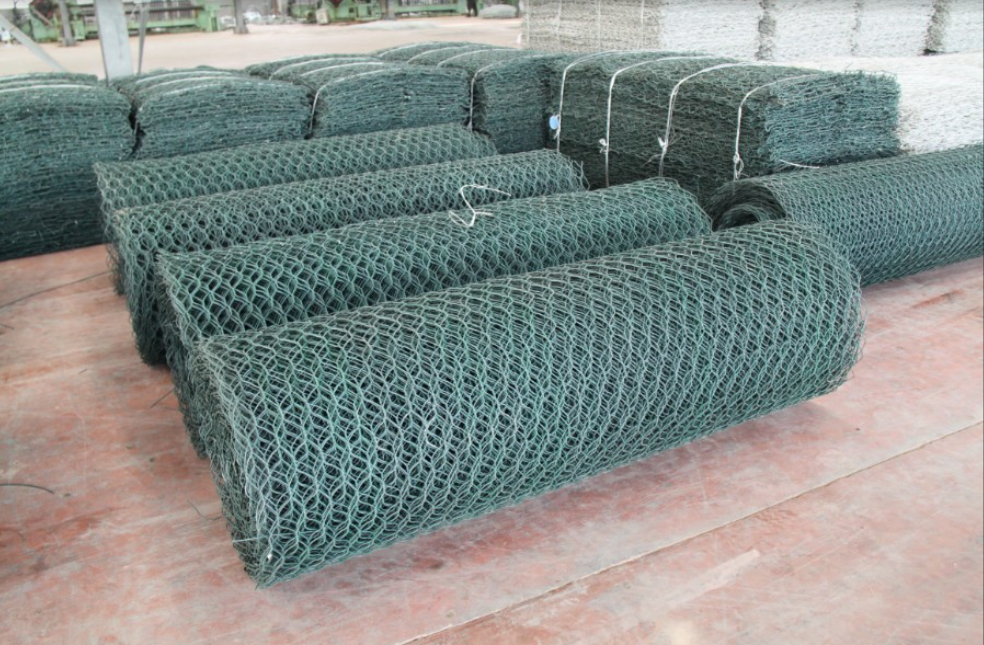
Selecting the right brass copper meshbegins with the application, not the catalog. Mesh that works for one enclosuremay not suit another if frequency range, mounting method, and environmentalconditions are different.
1. Define the Shielding Requirement
Identify whether the mesh will support EMIshielding, RF shielding, ventilation shielding, or localized conductivecoverage. The target frequency range influences mesh density and conductivityneeds.
2. Confirm Mesh Structure
Check wire diameter, mesh count, andopening size. Finer mesh can support higher-frequency shielding, while coarsermesh may suit ventilation or broader coverage.
3. Evaluate Conductivity and AlloyBalance
Brass copper mesh combines copper conductivitywith brass alloy characteristics. This can help when the material must beformed, handled, and mounted without losing structural stability.
4. Consider Installation Method
Decide whether the mesh will be clamped,soldered, bonded, framed, or layered. The mounting method affects contactquality and long-term reliability.
5. Review Environmental Exposure
Indoor equipment rooms, outdoor enclosures,humid environments, and high-vibration areas may require different surfacetreatments or support structures.
6. Plan for Inspection and Maintenance
Shielding performance depends oncontinuity. Regular checks should cover edges, overlaps, grounding points, andmechanical fasteners.
When these factors are aligned, brasscopper mesh becomes a dependable component in EMI and RF shielding designs. Itis not just a conductive layer; it is a practical interface between equipment,enclosure, and electromagnetic environment.
Here you can access useful technical insights on border fence systems and perimeter security solutions.
“We Need Separate Areas, but W
Read More The Hidden Cost of SandbagsSan
Read More